Why Piano Lessons Engage the Whole Body, Not Just the Brain
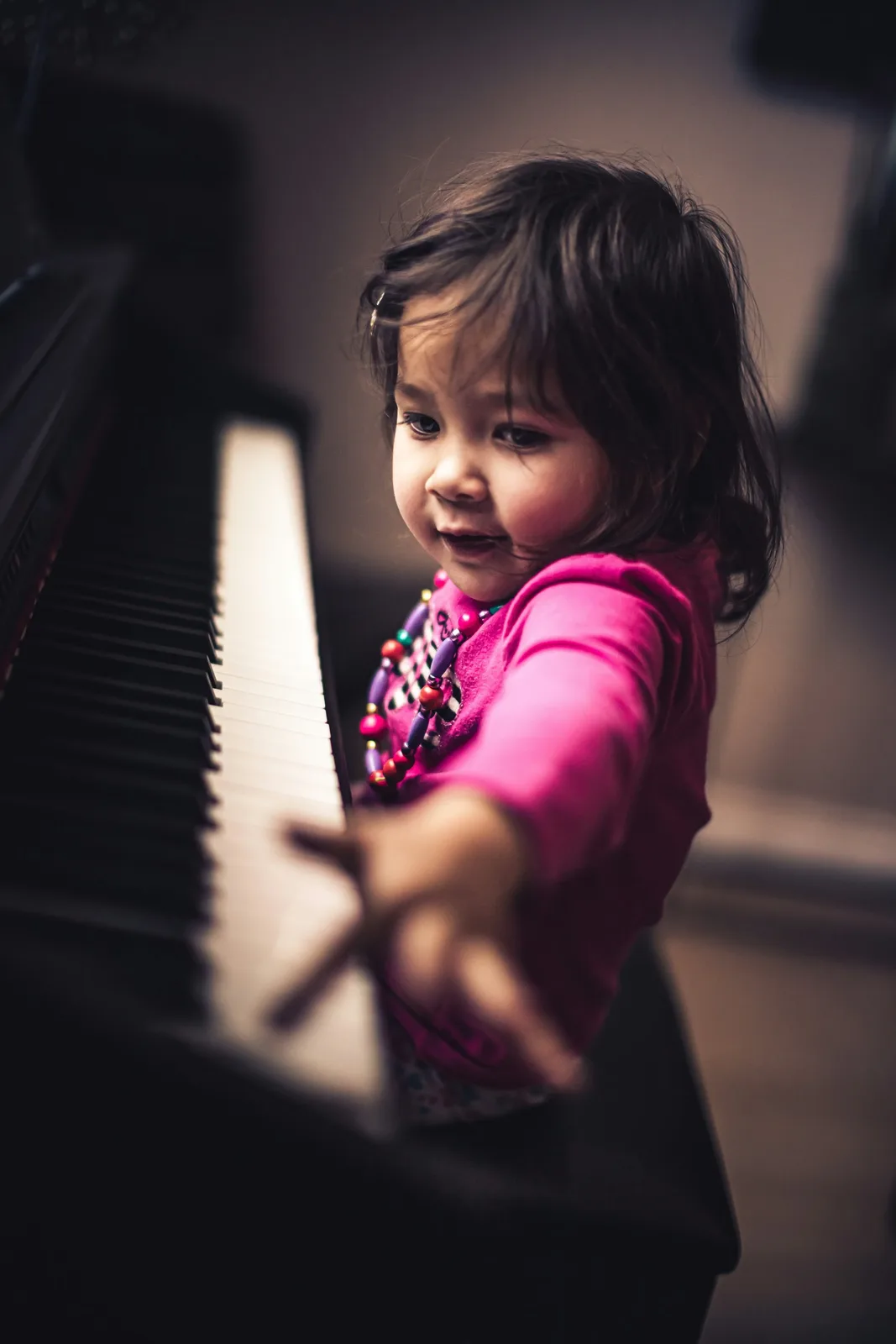
Learning piano is more than memorising notes, it's a full-body experience. Children develop musical skills by using their bodies as much as their minds, which makes learning both effective and fun.
Learning rhythm through movement
Before children even touch the keys, they can learn rhythm by clapping, tapping, or moving to music. This helps internalise timing and tempo in a natural, intuitive way. In Zürich, children often enjoy music in schools or cultural programmes, so connecting physical movement with piano lessons strengthens these skills.
Building fine motor skills
Playing piano develops hand-eye coordination, finger independence, and dexterity. Children learn how to press keys with precision while adjusting hand position. Each movement reinforces both technique and confidence.
Spatial awareness
The piano is a physical map of notes. Children develop spatial awareness by learning the distances between keys and recognising patterns such as scales or chords, helping them understand music more deeply than reading sheet music alone.
Expressing emotion through movement
Music is felt as well as played. Children naturally express feelings through gestures and movement, and piano lessons encourage this expressive side, making their playing more musical and personal.
Mind-body integration
A holistic approach teaches children to play with awareness of posture, hand position and movement. This integration enhances learning and, over time, develops not just technical skills but a deeper sensitivity to music and expression.
By learning through their bodies, children discover music as a joyful, embodied experience. Lessons become more than technique, they nurture creativity, coordination and confidence in every aspect of life.